Dipping Your Toes Into Amateur Radio
Radio falls at the intersection of a few areas of interest for me; emergency preparedness, FPV drones, mesh networks, and general nerdery.
I have spent the past few months addictively consuming as much information as I can, and I now want my friends who are interested to join me in this journey, or at least vaguely understand it.
FRS vs GMRS vs Ham Frequencies
The FRS (Free Radio Service) is a small chunk of frequencies you don’t need a license to use.
GMRS frequencies are a slightly larger chunk, partially overlapping with FRS frequencies. GMRS transmissions require a $35 license and a callsign which you are required to transmit (either by voice or morse code) at the end of your transmission or every 10 minutes. In some areas of the country there are GMRS repeaters that can extend the range of certain frequencies.
Ham frequencies vary by license level, as you gain higher Ham licensing levels you gain access to more frequencies, higher transmission power, and further distances. Transmitting on Ham frequencies also requires transmitting your callsign along with transmissions. Your call sign can be looked up in a national registry along with the associated address or PO Box.
Your First Radio: Baofeng UV5R
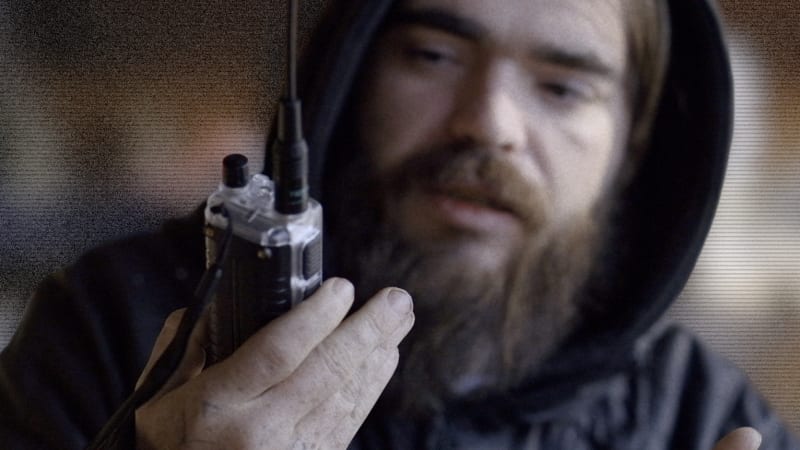
Most folks opt for the cheap and readily-available chinese-manufactured Baofeng radios which are loved by Americans for their low cost and tactical look and hated by amateur radio transmissions because of their poorly-tuned electronics and spurious emissions.
Many of the objections to these radios are based on how they transmit; they are poorly made and can easily bleed into other frequencies and generally have poor radio etiquette. However, in my opinion, they are fine to use for receiving, and they are low-cost and common enough to be programmed and handed out to non-technical friends and neighbors for emergency use. A bad radio is better than no radio, and I think most folks will be using it as a receiver much more often than they talk.
I usually program radios meant to hand out to GMRS and local repeater frequencies and indicate in the name with a ! that the channel should not be transmitted on.
In order to gain access to some of the longer-range frequencies and repeaters a ham license is necessary.
HamStudy Is Awesome
Luckily amateur radio has some of the best infrastructure for self-directed learning I have found in a hobby. There is a whole community of people who want to help you and have crafted some really great tools to learn.
The HamStudy app is top-tier, and you could probably get your license just by spending 15-30 minutes a day with it, like duolingo, or pokemon go. It does have a very plodding feeling of learning random facts and lore, but after a few weeks for me the knowledge started to cohere together and take a form, for me particularly rounded out by playing around and experimenting and spinning different dials and seeing what happens.